Get Tuck Pointing in Seattle, WA
Tuck pointing services help Seattle property owners repair and restore brick or stone exteriors by filling in damaged mortar joints to prevent water damage and structural issues.
Tuck pointing is an essential service for maintaining the structural integrity and appearance of brick and masonry exteriors, especially in the Seattle area where weather conditions can impact building materials over time. Property owners considering this work often seek reliable local contractors who understand the unique challenges posed by the region’s climate. Properly performed tuck pointing can help prevent moisture intrusion, reduce the risk of damage, and preserve the value of a property, making it a practical consideration for those planning renovations or upkeep.
For those exploring options for tuck pointing services, it’s important to compare local contractors who have experience working with masonry in Seattle’s environment. Finding the right service provider involves evaluating their expertise and understanding of regional building conditions. Continuing to explore available options can help property owners identify experienced professionals capable of delivering quality results that enhance both safety and appearance.
- Brick and Masonry Restoration - when mortar joints in historic buildings or homes in neighborhoods like Capitol Hill or Queen Anne need repair to preserve structural integrity.
- Cracked or Damaged Tuck Pointing - when visible cracks or deterioration appear in brickwork on residential or commercial properties in neighborhoods such as Ballard or West Seattle.
- New Tuck Pointing Installation - when constructing or renovating brick facades on new builds or additions in areas like Fremont or South Lake Union.
- Repointing for Weatherproofing - when brick joints show signs of water infiltration or damage from Seattle’s rainy climate, requiring sealing and reinforcement.
- Historic Building Preservation - when maintaining the original appearance of older brick structures in districts like Pioneer Square or the International District.
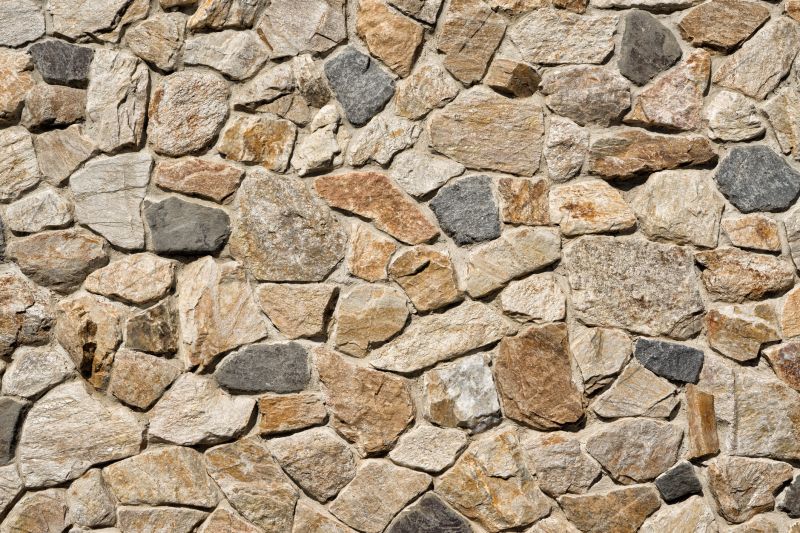
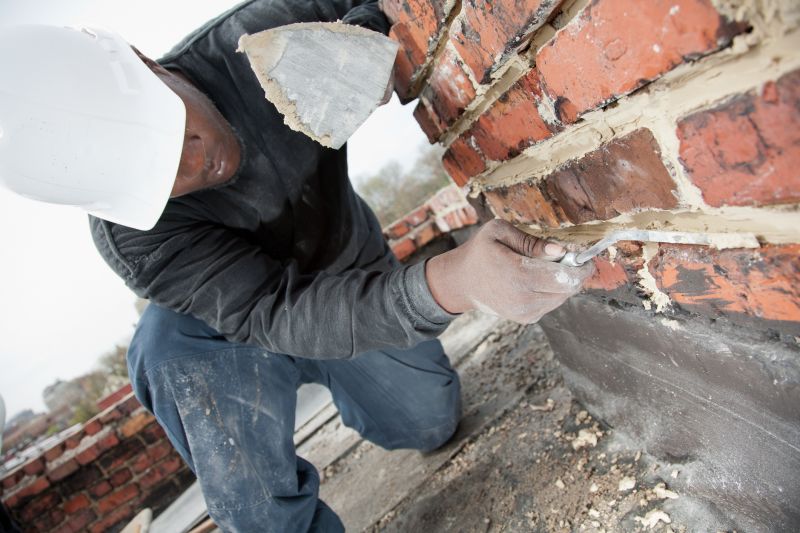
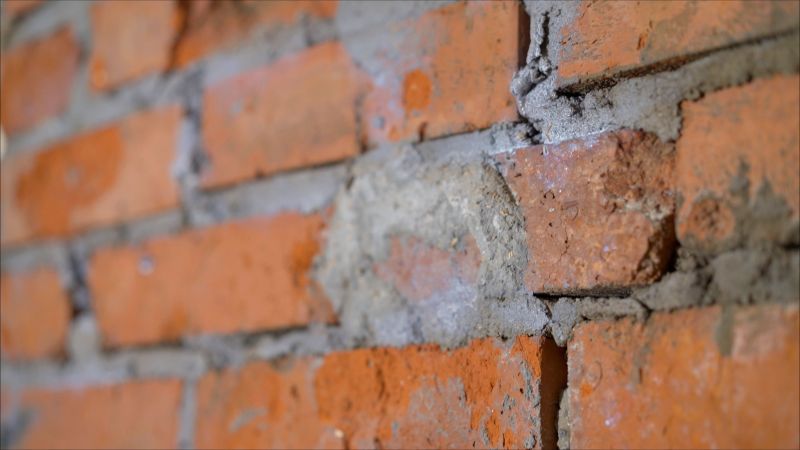
Tuck pointing is a masonry repair technique that involves removing damaged or deteriorated mortar from between bricks or stones and replacing it with fresh mortar. This process helps restore the structural integrity and appearance of a building’s exterior, preventing further deterioration caused by weather exposure or age. Tuck pointing is often performed on older brick buildings, historic homes, or properties where the mortar has begun to crumble, crack, or fall out, exposing the underlying bricks to moisture and potential damage.
This service addresses common problems such as crumbling mortar joints, cracks, and gaps that can develop over time. When mortar deteriorates, it can lead to water infiltration, which may cause internal damage or promote mold growth. Additionally, compromised mortar joints can weaken the overall stability of a masonry wall, increasing the risk of bricks shifting or falling out. Tuck pointing helps seal these joints, preventing water intrusion and maintaining the strength and durability of the masonry structure.
Properties that typically benefit from tuck pointing include residential homes, especially those with brick exteriors, historic buildings, commercial properties, and townhouses. These structures often face exposure to harsh weather conditions that can accelerate mortar deterioration. Regular tuck pointing can extend the lifespan of brickwork and preserve the aesthetic appeal of the property. Homeowners and property managers should consider this service if they notice crumbling mortar, loose bricks, or signs of water damage around their masonry walls.
Recognizing when tuck pointing is needed can save property owners from costly repairs down the line. Signs include visible cracks or gaps in mortar joints, crumbling or powdery mortar, and water stains or efflorescence on brick surfaces. If these issues are present, it’s advisable to contact local contractors experienced in masonry repair. They can evaluate the condition of the mortar and recommend appropriate tuck pointing services to restore the integrity and appearance of the masonry, helping to protect the property’s value and longevity.
The overview below groups typical Tuck Pointing projects into broad ranges so you can see how smaller, mid-sized, and larger jobs often compare in Seattle, WA.
In many markets, a large share of routine jobs stays in the lower and middle ranges, while only a smaller percentage of projects moves into the highest bands when the work is more complex or site conditions are harder than average.
Smaller Repairs - Many routine tuck pointing jobs, such as fixing cracked mortar joints on a single wall, typically range from $250-$600. These projects are common and usually fall within the middle of the cost spectrum. Larger or more detailed repairs may cost more depending on the scope.
Partial Repointing - When replacing mortar in specific sections of a brick structure, local contractors often charge between $1,000 and $3,000. This is a common range for mid-sized projects involving multiple areas of a building’s façade.
Full Masonry Restoration - Complete restoration of a brick building’s exterior can range from $5,000 to $20,000 or more, depending on size and complexity. Many projects land in the higher end of this range, especially for historic or large structures.
Full Replacement - Replacing entire brick or stone facades, including extensive tuck pointing, can cost $20,000+ for larger, more complex projects. These are less common but may be necessary for severely damaged or deteriorated structures.
Actual totals will depend on details like access to the work area, the scope of the project, and the materials selected, so use these as general starting points rather than exact figures.
Masonry Restoration - Professionals skilled in restoring brick and stone structures can apply similar techniques to tuck pointing, ensuring the integrity and appearance of historic or damaged masonry.
Brick Repair - Local contractors experienced in brick replacement and patching work often utilize the same skills and tools used in tuck pointing to repair and reinforce brick walls.
Chimney Repointing - Repointing chimneys involves removing deteriorated mortar and replacing it, a process closely related to tuck pointing that requires precision and similar materials.
Stone Wall Restoration - Restoring and maintaining stone walls involves detailed planning and skillful mortar work comparable to tuck pointing on brick surfaces.
Facade Cleaning and Restoration - Cleaning and restoring building facades often include mortar repair and surface work that aligns with the techniques used in tuck pointing projects.
Historic Building Preservation - Preserving historic structures frequently involves careful mortar repair and matching materials, making it similar in skill and planning to tuck pointing services.
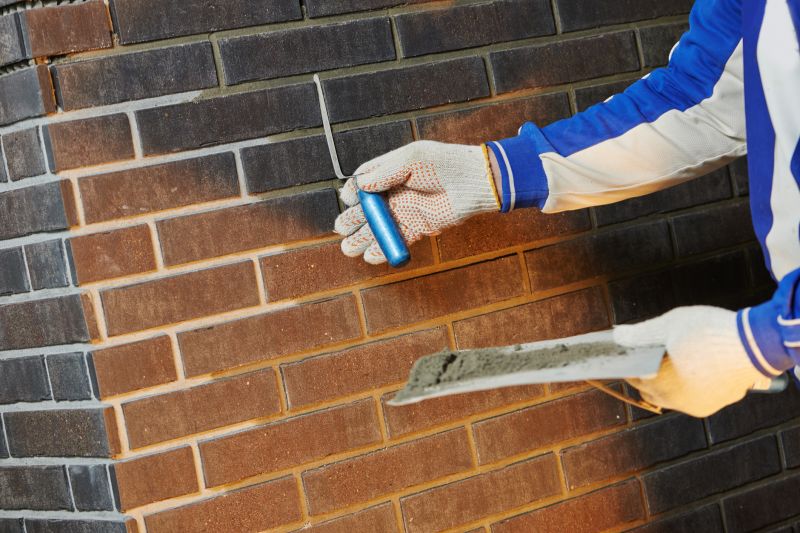
When evaluating potential contractors for tuck pointing, it’s important to consider their experience with similar projects in the local area. Homeowners should look for service providers who have a proven track record of handling masonry repairs on homes comparable in style and age to their own. An experienced contractor will understand the unique challenges that can arise with historic or older brickwork and be better equipped to deliver results that match the home’s aesthetic and structural needs.
Clear, written expectations are essential when comparing local contractors for tuck pointing services. Homeowners should seek detailed descriptions of the scope of work, including materials to be used, the process involved, and any warranties or guarantees offered. Having this information documented helps ensure both parties are aligned on the project’s goals and reduces the chances of misunderstandings or surprises once work begins.
Reputable references and strong communication are key indicators of a reliable service provider. Homeowners can ask potential contractors for references from past clients, especially those with projects similar in scope. Additionally, a contractor’s responsiveness and clarity in communication can reveal their professionalism and commitment to customer satisfaction. While the site introduces homeowners to local options, it’s important to remember that it does not perform the work itself; instead, it helps connect individuals with qualified local service providers who can handle the project effectively.
Property owners in Seattle, WA use Tuck Pointing services for practical projects around their homes and businesses. This guide focuses on everyday jobs and straightforward project options.
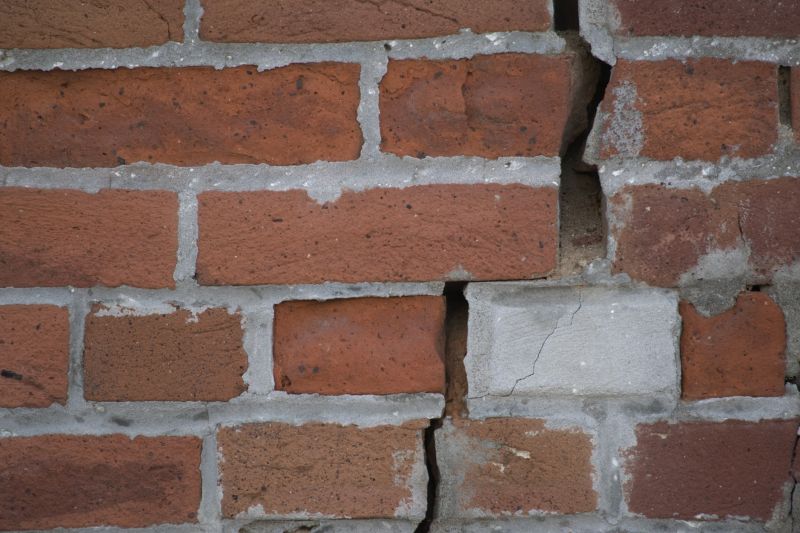
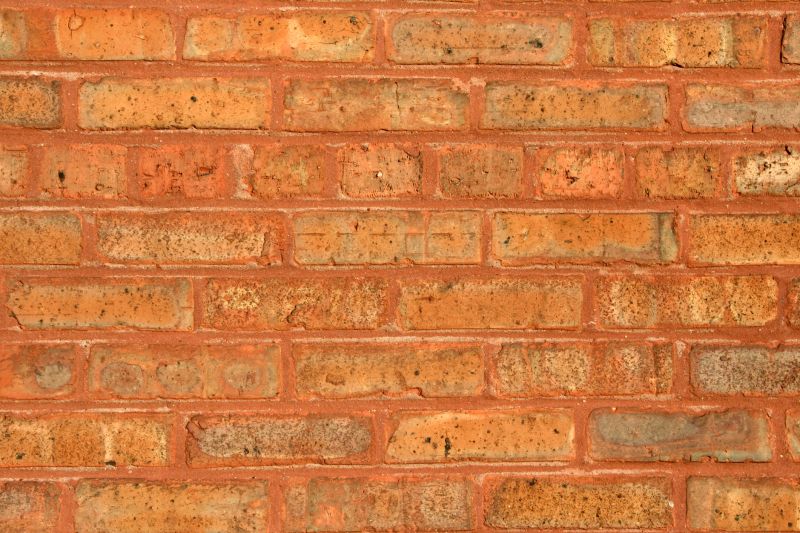
Tuck pointing services are often needed when the mortar between bricks or stones on a property in Seattle shows signs of deterioration, cracking, or erosion. Property owners may notice crumbling mortar after heavy rains or seasonal changes, which can compromise the structural integrity and appearance of the building. Local contractors can assess these issues and perform the necessary repairs to help maintain the stability and curb appeal of homes, historic buildings, or commercial properties in the area.
In addition, property owners might seek tuck pointing when preparing a building for sale or simply want to improve its overall look. Over time, mortar joints can become stained or uneven, detracting from the property's exterior. Skilled service providers can restore the original look of brickwork, preventing further damage caused by moisture infiltration. Connecting with experienced local pros ensures that these common maintenance needs are addressed efficiently and effectively.
What is tuck pointing and why is it important? Tuck pointing involves repairing the mortar joints between bricks or stones to maintain the structural integrity and appearance of a building's exterior.
How can I tell if my masonry needs tuck pointing? Signs include cracked, crumbling, or missing mortar joints, as well as water penetration or visible gaps in the masonry.
What types of materials are used for tuck pointing? Common materials include traditional mortar mixes, which can be matched to existing mortar for seamless repairs.
Are tuck pointing services suitable for historic buildings? Yes, experienced local contractors can perform tuck pointing that preserves the historic character while ensuring durability.
How do I find qualified service providers for tuck pointing? Contact local masonry or general contractors who specialize in masonry restoration and repair projects in the area.
Identify and Address Cracks - Property owners can use tuck pointing services to repair visible cracks in brick or masonry walls, preventing further damage.
Restore Structural Integrity - Tuck pointing can reinforce the stability of older or weathered structures, helping maintain the building’s safety.
Improve Curb Appeal - Freshly tuck pointed exteriors can enhance the appearance of a home or commercial property, making it more inviting.
Prevent Water Damage - Properly maintained mortar joints help keep moisture out, protecting the underlying brickwork from water-related issues.
If you are thinking about Tuck Pointing for a property in Seattle, WA, this guide is meant to help you understand the work, the typical project types, and how different options might fit your plans.
When you are ready, you can use the quote form on this page to share a few details about your project. From there, local pros can review the basics and respond with options that match what you have in mind.