Get Tuck Pointing in Long Island, NY
Tuck pointing services for Long Island property owners repair and restore brick and masonry walls by filling gaps and cracks to prevent water damage and structural issues.
Tuck pointing is a vital service for property owners looking to maintain the integrity and appearance of brick and masonry structures. For those in Long Island, NY, understanding the importance of proper mortar repair can help prevent issues like water infiltration, structural deterioration, and aesthetic decline. Exploring options for tuck pointing involves considering experienced local contractors who can assess the condition of your masonry and recommend effective solutions tailored to the specific needs of properties in the area.
By comparing different service providers, property owners can find the right professionals to handle tuck pointing projects with precision and care. Whether working on residential, commercial, or historic buildings, choosing qualified local contractors ensures the work aligns with local building conditions and standards. Continuing to read can help identify trusted sources for connecting with skilled experts ready to support the preservation and enhancement of your property.
- Brick and Masonry Tuck Pointing - needed when mortar joints in brickwork become cracked or deteriorated, compromising the structure’s appearance and stability.
- Historic Building Restoration - required for preserving or repairing the original mortar in older buildings throughout neighborhoods in Long Island, NY.
- Chimney Tuck Pointing - essential when mortar around chimneys shows signs of crumbling or damage, preventing leaks and structural issues.
- Commercial Property Masonry - necessary for maintaining the integrity of brick facades on retail and office buildings in busy urban areas.
- Residential Masonry Repairs - sought after when homeowners notice crumbling mortar in exterior walls or decorative brickwork around their homes.
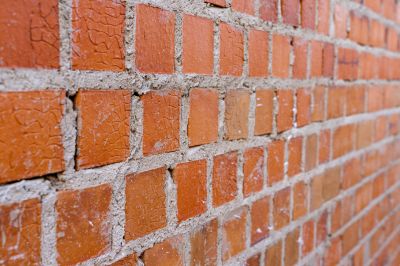
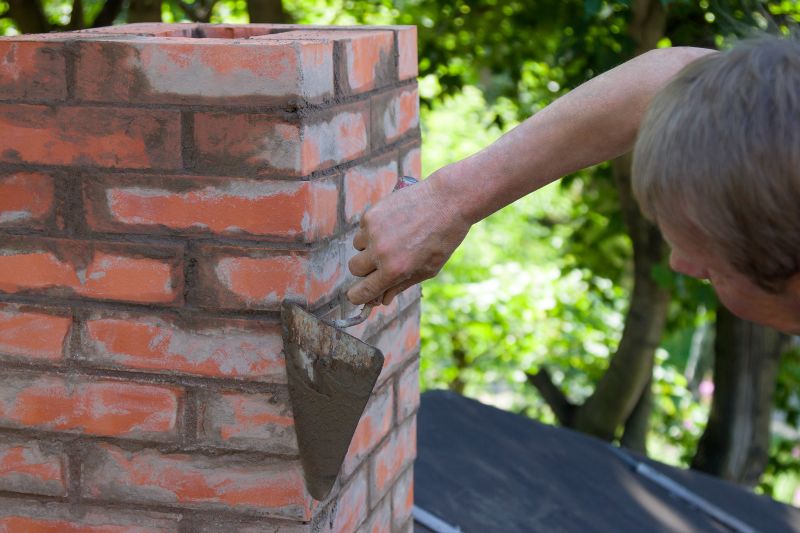
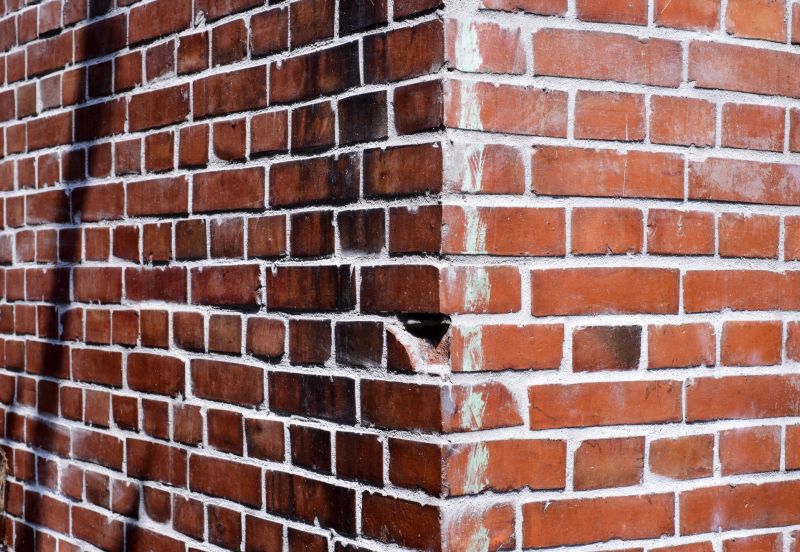
Tuck pointing is a specialized masonry repair process that involves removing deteriorated mortar from the joints between bricks or stones and replacing it with fresh mortar. This technique helps restore the structural integrity and appearance of a building’s exterior, preventing further damage caused by weather exposure or aging materials. Skilled service providers use precise tools and techniques to ensure the new mortar matches the existing joints in color and texture, maintaining the property’s original aesthetic. Tuck pointing is often performed on older or historic buildings, as well as on newer constructions that require maintenance to keep their facades in good condition.
This service is particularly valuable in addressing common problems such as crumbling, cracked, or missing mortar, which can lead to water infiltration, mold growth, and structural weakening. When mortar joints become compromised, moisture can seep into the underlying brick or stone, causing further deterioration and potentially costly repairs down the line. Tuck pointing helps seal these joints, preventing water damage and extending the lifespan of the masonry. It also improves the overall appearance of the property, giving it a well-maintained and polished look that can enhance curb appeal.
Properties that typically benefit from tuck pointing include residential homes with brick or stone exteriors, especially those that are several decades old. Commercial buildings, historical landmarks, and community centers often require this type of maintenance to preserve their structural integrity and aesthetic value. In areas like Long Island, where buildings are exposed to seasonal weather changes, regular tuck pointing can be an essential part of ongoing property upkeep. Service providers are equipped to handle projects of varying sizes, from small repairs to extensive restoration efforts.
Homeowners and property managers who notice signs of mortar deterioration-such as crumbling joints, loose bricks, or water stains-should consider consulting with local masonry specialists. Tuck pointing can be a practical solution to prevent further damage and maintain the safety and appearance of a building. By connecting with experienced contractors in the area, property owners can ensure the work is performed correctly and efficiently, helping to preserve the value and longevity of their structures.
The overview below groups typical Tuck Pointing projects into broad ranges so you can see how smaller, mid-sized, and larger jobs often compare in Long Island, NY.
In many markets, a large share of routine jobs stays in the lower and middle ranges, while only a smaller percentage of projects moves into the highest bands when the work is more complex or site conditions are harder than average.
Smaller Repairs - Typical costs for minor tuck pointing repairs on small sections of brickwork generally range from $250-$600. Many routine maintenance jobs fall within this middle range, depending on the extent of the damage and accessibility.
Mid-Size Projects - For larger areas or partial repointing of a single wall, local contractors often charge between $1,000 and $3,000. These projects are common for homes needing more extensive tuck pointing work to improve appearance and stability.
Full Wall Repointing - Complete repointing of an entire wall or façade can cost from $3,500 to $7,000, with larger or more complex projects sometimes exceeding this range. Fewer jobs reach the highest tiers, which are typically reserved for extensive or historic restorations.
Full Replacement - When tuck pointing is combined with full brick replacement, costs can start around $8,000 and may go beyond $15,000 for large or intricate projects. These are less common and usually involve significant structural or aesthetic upgrades.
Actual totals will depend on details like access to the work area, the scope of the project, and the materials selected, so use these as general starting points rather than exact figures.
Brick Repair - local contractors skilled in masonry can handle brick replacement and repair, similar to tuck pointing work that involves precise joint work and surface restoration.
Masonry Restoration - professionals experienced in restoring historic facades use similar planning and tools as tuck point specialists to preserve and repair masonry structures.
Stonework Restoration - restoring stone surfaces requires careful matching of mortar and material, paralleling the skills used in tuck pointing projects.
Chimney Repointing - repointing chimneys involves similar techniques for replacing deteriorated mortar joints to ensure stability and appearance.
Foundation Wall Repair - fixing cracks and deteriorated mortar in foundation walls requires masonry skills comparable to tuck pointing services.
Cement and Concrete Repair - repairing cracks and surface damage in concrete structures involves planning and tools akin to those used in tuck pointing projects.
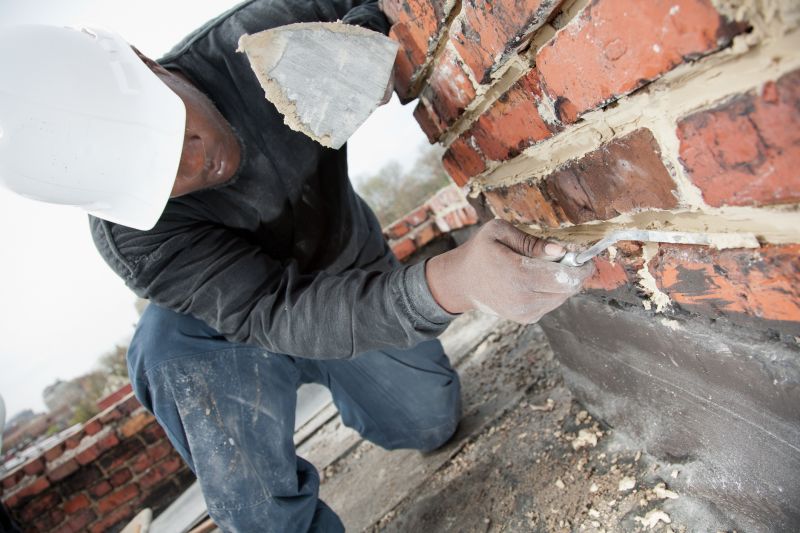
When evaluating Tuck Pointing service providers in the Long Island area, it's important to consider their experience with similar projects. Homeowners should seek out contractors who have a proven track record of handling tuck pointing work on homes with comparable brickwork and architectural styles. Asking for examples of past projects or references can provide insight into their familiarity with the specific challenges and techniques required for quality results. This background helps ensure that the chosen service provider understands the unique aspects of the job and can deliver work that meets expectations.
Clear, written expectations are essential when comparing local contractors for tuck pointing. Homeowners should request detailed descriptions of the scope of work, materials to be used, and any warranties or guarantees offered. Having this information in writing helps prevent misunderstandings and provides a reference point throughout the project. Transparent communication about the process and deliverables allows homeowners to make informed decisions and ensures that everyone is aligned on the project's goals from the outset.
Reputable references and effective communication are key factors in selecting a reliable service provider. Homeowners are encouraged to speak with previous clients or review testimonials to gauge the contractor’s reputation and professionalism. Good communication also involves responsiveness, clarity, and willingness to answer questions, which can make the entire process smoother. While the site introduces homeowners to local options, it’s important to remember that the actual work will be performed by trusted local contractors who can be contacted directly to discuss specific needs and to establish a working relationship.
Property owners in Long Island, NY use Tuck Pointing services for practical projects around their homes and businesses. This guide focuses on everyday jobs and straightforward project options.
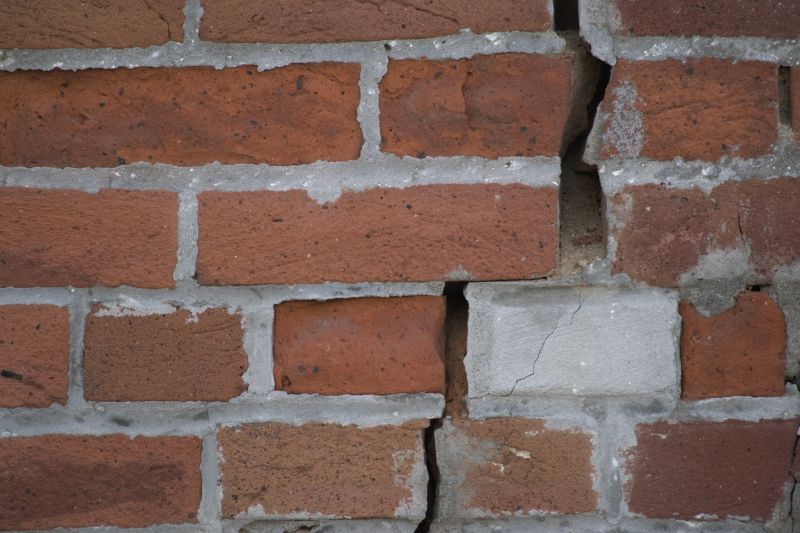
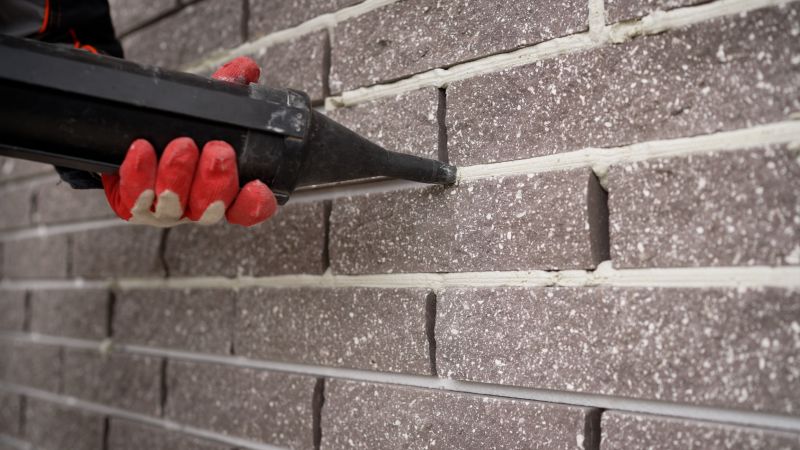
Tuck pointing services are often needed when the mortar joints between bricks or stones on a property start to deteriorate or crumble. Property owners in Long Island, NY may seek these services to maintain the structural integrity and appearance of their homes or commercial buildings, especially after years of exposure to weather conditions like rain, snow, and humidity. Repointing can help prevent water infiltration and further damage, making it a common solution for those noticing cracks or crumbling mortar around their exterior walls.
In addition to weather-related wear, tuck pointing may be necessary during renovations or repairs when old mortar needs to be replaced for aesthetic reasons or to address damage caused by pests or shifting foundations. Homeowners and business owners often turn to local contractors who specialize in this work to restore the look of their properties and ensure long-lasting results. These service providers can handle projects of various sizes, from small repairs to extensive restoration efforts.
What is tuck pointing? Tuck pointing is a masonry technique that involves filling the joints between bricks or stones to improve appearance and structural integrity.
Why should I consider tuck pointing for my property? Tuck pointing can help prevent water infiltration, protect against weather damage, and enhance the overall look of masonry surfaces.
How do I find experienced contractors for tuck pointing services? Local contractors specializing in masonry work can be contacted through trusted service providers who connect homeowners with qualified professionals in the area.
What signs indicate that tuck pointing may be needed? Crumbling mortar, gaps between bricks, or water stains on walls can suggest that tuck pointing services might be necessary.
Can tuck pointing be done on historic or older buildings? Yes, experienced masonry contractors can perform tuck pointing on historic structures, often using techniques that preserve the building's original appearance.
Repairing cracked or deteriorated mortar joints - property owners can improve the stability and appearance of their brick or stone walls by having local contractors restore the mortar.
Restoring historic or aged masonry - homeowners with older buildings can preserve their property's character through professional tuck pointing services.
Preventing water infiltration and damage - property owners can protect their foundation and interior spaces by sealing gaps and cracks in the masonry.
Enhancing curb appeal with fresh masonry joints - updating the look of a home or business exterior can be achieved through professional tuck pointing work.
If you are thinking about Tuck Pointing for a property in Long Island, NY, this guide is meant to help you understand the work, the typical project types, and how different options might fit your plans.
When you are ready, you can use the quote form on this page to share a few details about your project. From there, local pros can review the basics and respond with options that match what you have in mind.