Optimal Timing for Tuck Pointing
Tuck pointing is a masonry technique used to repair and restore the joints between bricks or stones. Proper timing ensures durability and effective results, minimizing the risk of damage caused by weather conditions.
Tuck pointing is best performed during dry weather with moderate temperatures to ensure proper curing and adhesion.
Spring and early fall are generally preferred due to stable weather, avoiding extreme cold or heat.
Perform tuck pointing when temperatures are between 40°F and 70°F to prevent rapid drying or freezing.
Scheduling during dry periods prevents moisture from compromising the mortar and ensures longevity.
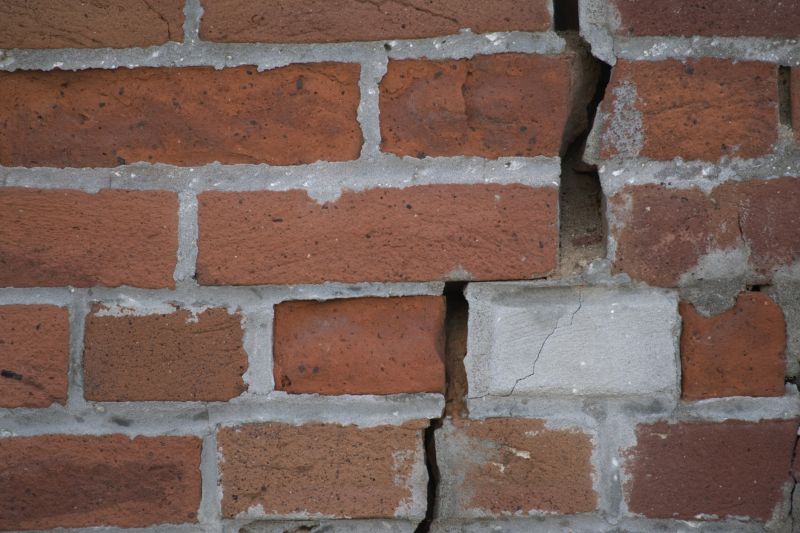
Spring offers moderate temperatures and longer days, ideal for tuck pointing projects.
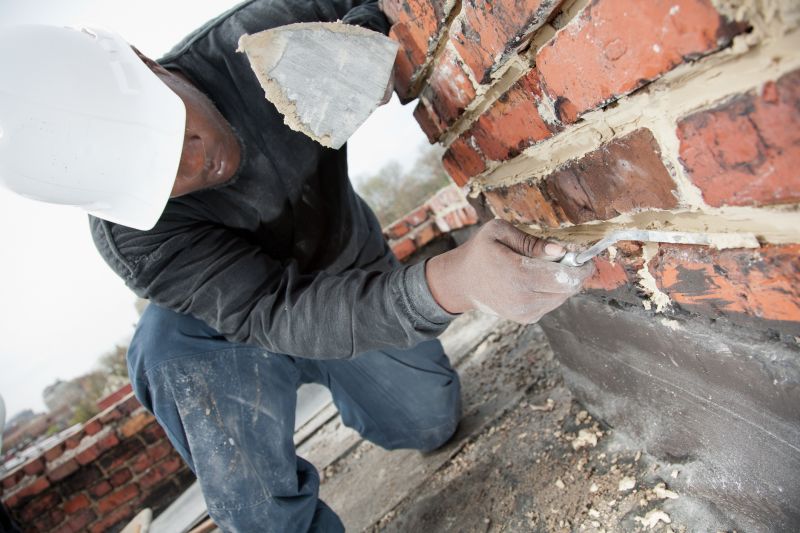
Early fall provides stable weather conditions suitable for masonry repairs.
Choosing dry, mild days prevents moisture-related issues during tuck pointing.
Ways to make Tuck Pointings work in tight or awkward layouts.
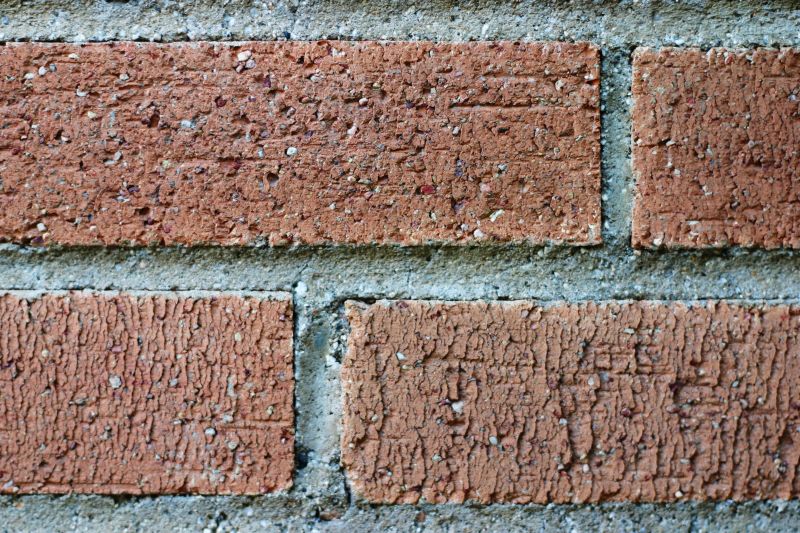
Popular materials for Tuck Pointings and why they hold up over time.
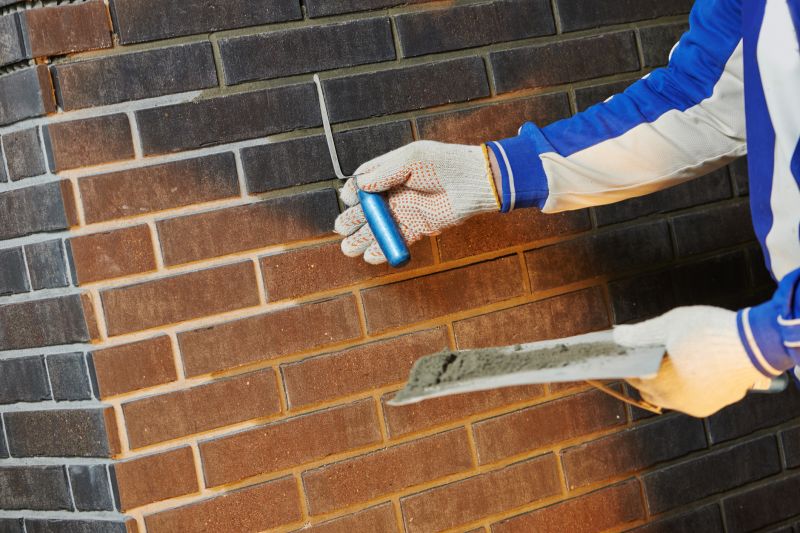
Simple add-ons that improve Tuck Pointings without blowing the budget.
| Season or Condition | Recommended Timing |
|---|---|
| Spring | Ideal due to moderate temperatures and low precipitation. |
| Early Fall | Suitable because of stable weather and cooler temperatures. |
| Summer | Less ideal due to higher temperatures and potential for rapid drying. |
| Winter | Not recommended because of freezing temperatures and moisture risks. |
| Post-Weather Events | Avoid scheduling immediately after rain or snow. |
Tuck pointing involves removing deteriorated mortar from between bricks and replacing it with fresh mortar. This process enhances the structural integrity and appearance of masonry walls. Proper timing and weather considerations are essential to ensure the longevity of the repair work. Moisture exposure during curing can weaken mortar bonds, making dry, moderate conditions crucial for successful tuck pointing.
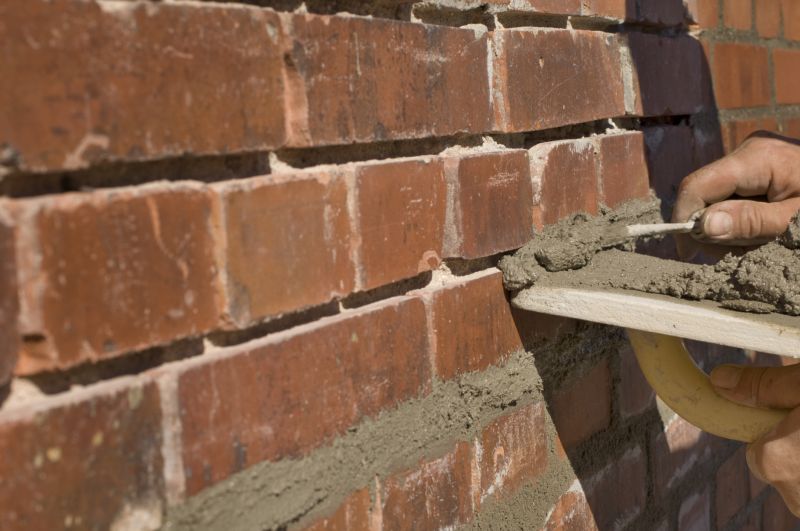
Completed tuck pointing on a historic brick wall.
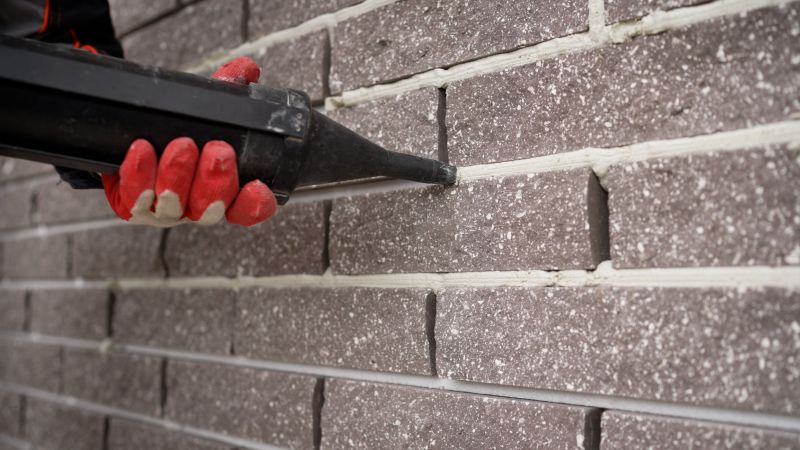
Restoration process showing mortar removal and replacement.
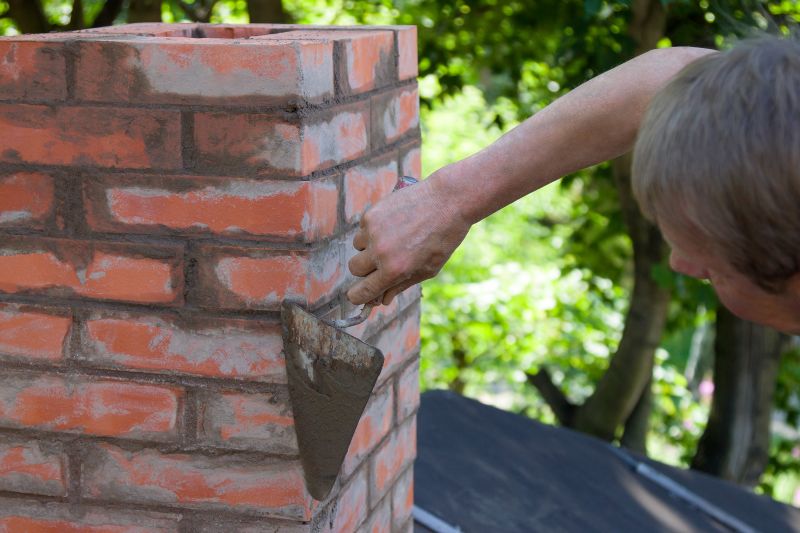
Cleaning and preparing mortar joints before tuck pointing.
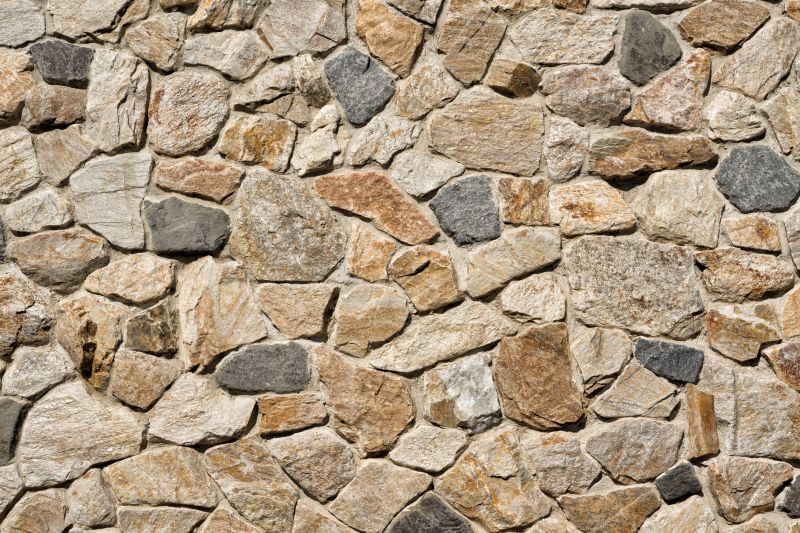
Final appearance after tuck pointing is completed.
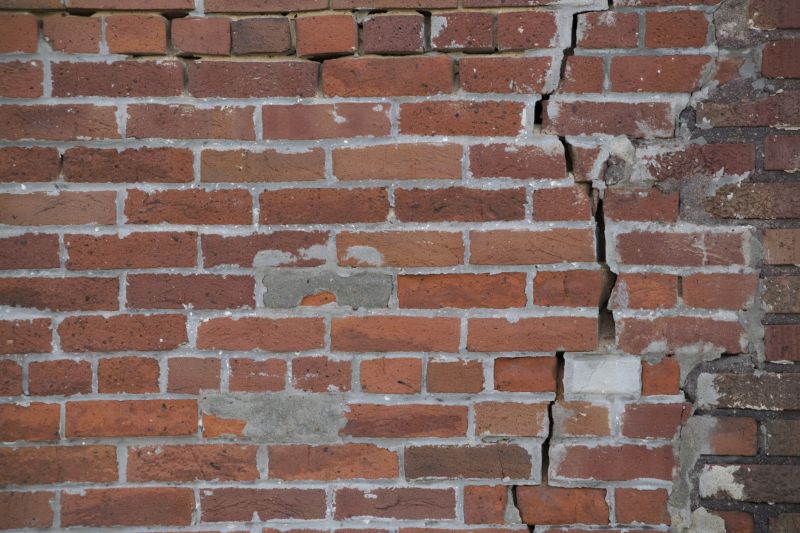
High-end options that actually feel worth it for Tuck Pointings.
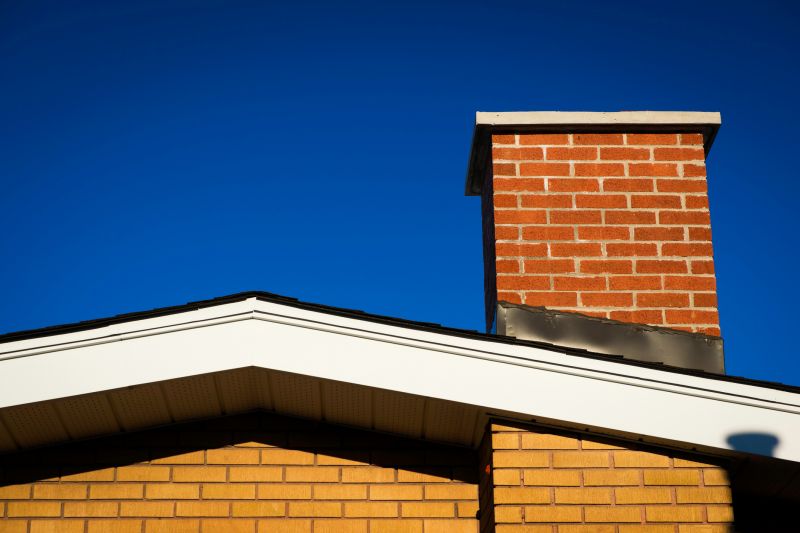
Finishes and colors that play nicely with Tuck Pointings.
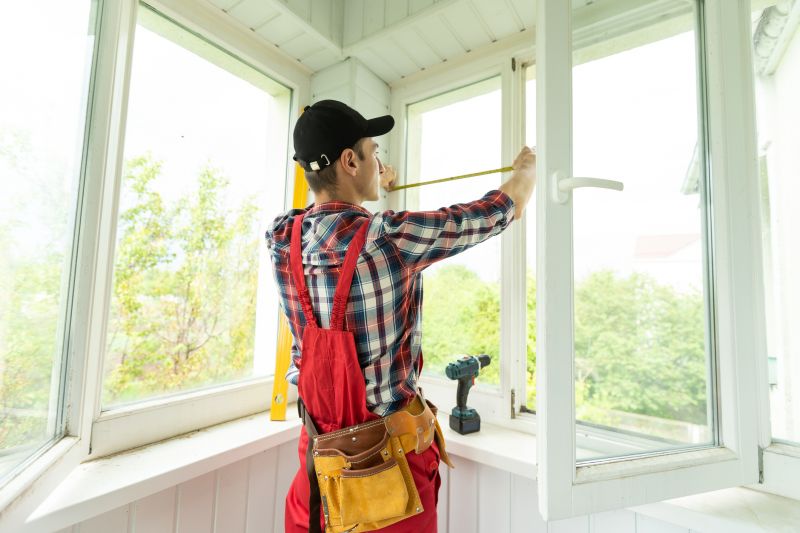
Little measurements that prevent headaches on Tuck Pointings day.
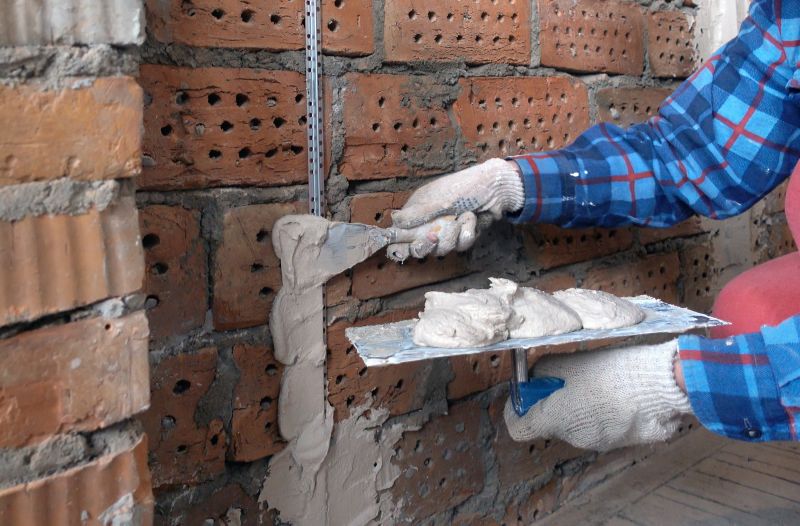
A 60-second routine that keeps Tuck Pointings looking new.
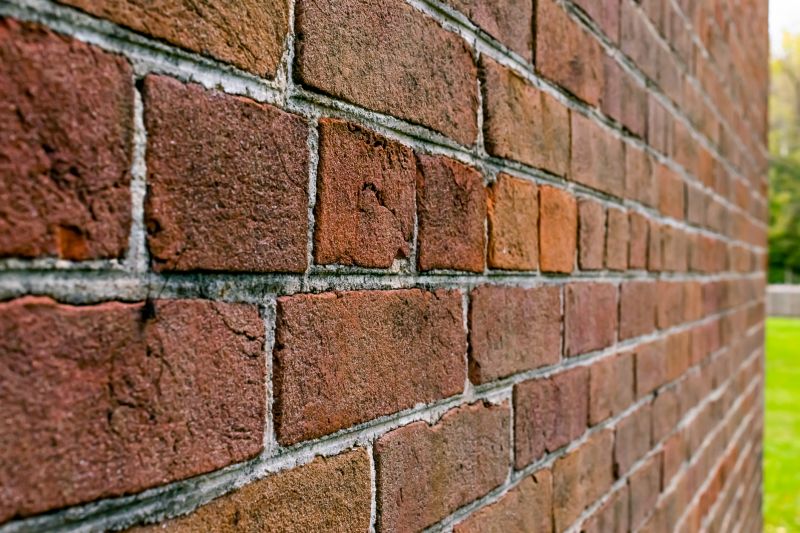
A frequent mistake in Tuck Pointings and how to dodge it.
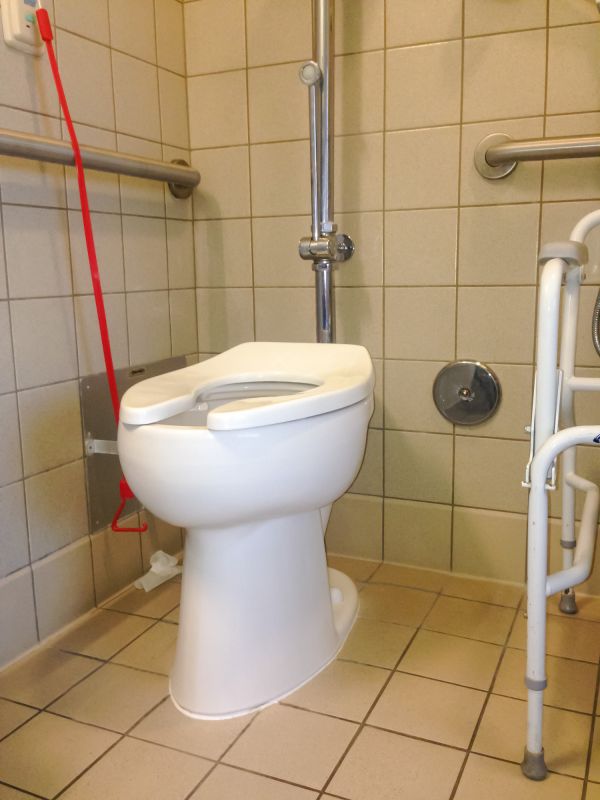
Small tweaks to make Tuck Pointings safer and easier to use.
Lower-waste or water-saving choices for Tuck Pointings.

The short, realistic tool list for quality Tuck Pointings.
Choosing the right time for tuck pointing ensures the work withstands weather challenges and maintains its aesthetic appeal. Proper scheduling minimizes the risk of mortar cracking, spalling, or failure due to environmental factors. Consulting with masonry professionals can help determine the most suitable period based on local climate conditions.
Individuals interested in tuck pointing services are encouraged to contact for more information and scheduling. Proper timing and expert execution contribute significantly to the durability and appearance of masonry structures.